

Today we are going to dive deep into the fiery world of solar activity. If you’ve been following the news lately, you might have noticed that our Sun has been quite active, reminiscent of the infamous Carrington Event of 1859.
The Carrington Event: A Historical Solar Storm
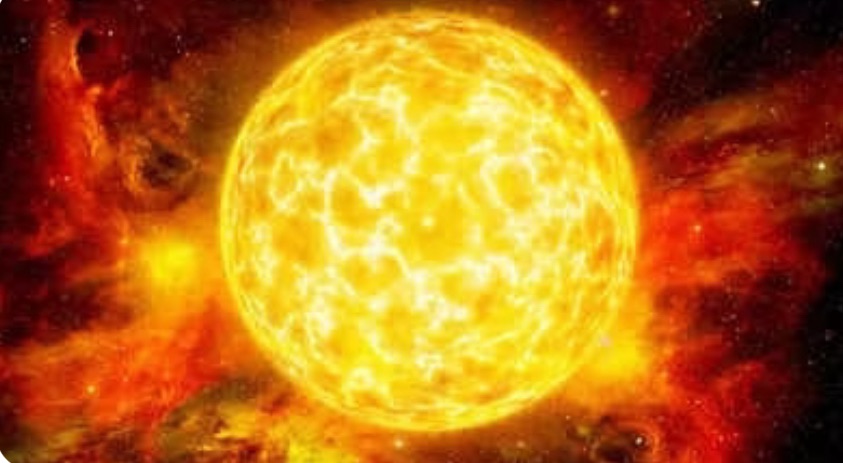
First, let’s take a trip back in time to the Carrington Event. On September 1, 1859, British astronomer Richard Carrington observed an unusually intense solar flare. Just hours later, Earth was hit by a massive coronal mass ejection (CME)—a significant release of plasma and magnetic field from the Sun’s atmosphere.
The result? A geomagnetic storm so powerful that it disrupted telegraph systems across North America and Europe.
Imagine waking up to bright, colourful aurorae dancing across the skies, visible as far south as the Caribbean and as far north as Cairns. While this was a breathtaking spectacle, the technological disruptions were immense.
Some telegraph operators reported electrical shocks, and in some cases, telegraph systems continued to operate even after being disconnected from their power sources due to the induced currents.
The Carrington Event serves as a stark reminder of the Sun’s power and the potential impact solar storms can have on technology. In an age where we rely heavily on satellites and electronic communication, understanding solar activity is more crucial than ever.
What Are Solar Flares?
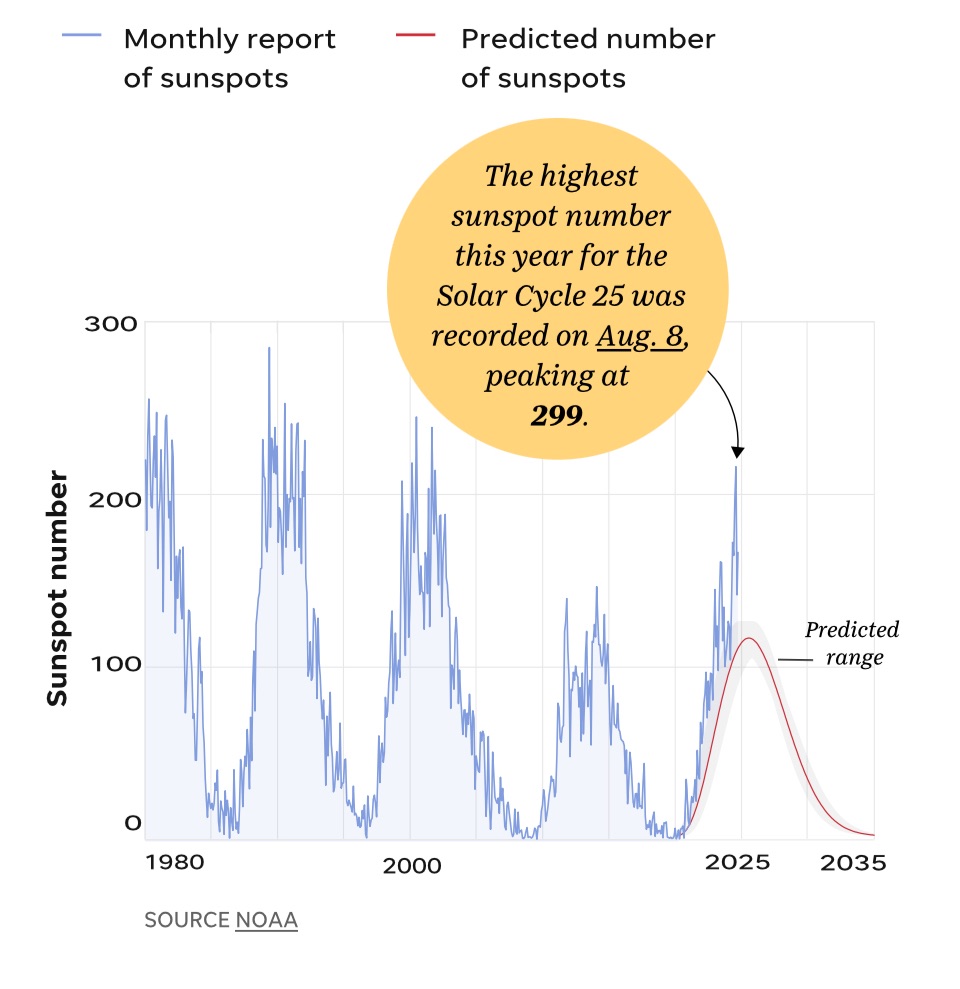
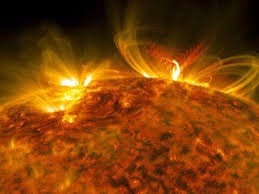
Now, let’s talk about solar flares. These are sudden eruptions of energy on the Sun’s surface, often associated with sunspots—dark areas on the Sun that indicate strong magnetic activity. When magnetic energy that has built up in the solar atmosphere is released, it results in a flare. These flares can release energy equivalent to millions of hydrogen bombs exploding at once!
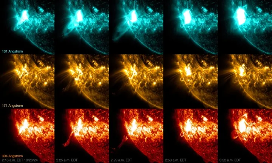
NASA’s Solar Dynamics Observatory captured these images of a solar flare — seen as the bright flash in each of the three image panes — on Oct. 26, 2024. The images show three different subsets of extreme ultraviolet light that highlight the extremely hot material in flares and which are colourised in teal, gold, and red. Credit: NASA/SDO
Solar flares are classified into different categories based on their intensity: A (the weakest), B, C, M, and X (the strongest). An X-class flare can produce significant radiation storms, potentially affecting radio communications, navigation systems, and even power grids on Earth.
Current Solar Activity and Its Impact
Fast forward to today, and the Sun is once again putting on a show! Recently, we’ve been monitoring a surge in sunspot activity, leading to an uptick in solar flares. Some of these flares have been strong enough to pose challenges for our satellites, impacting GPS, communication channels, and even power infrastructure.
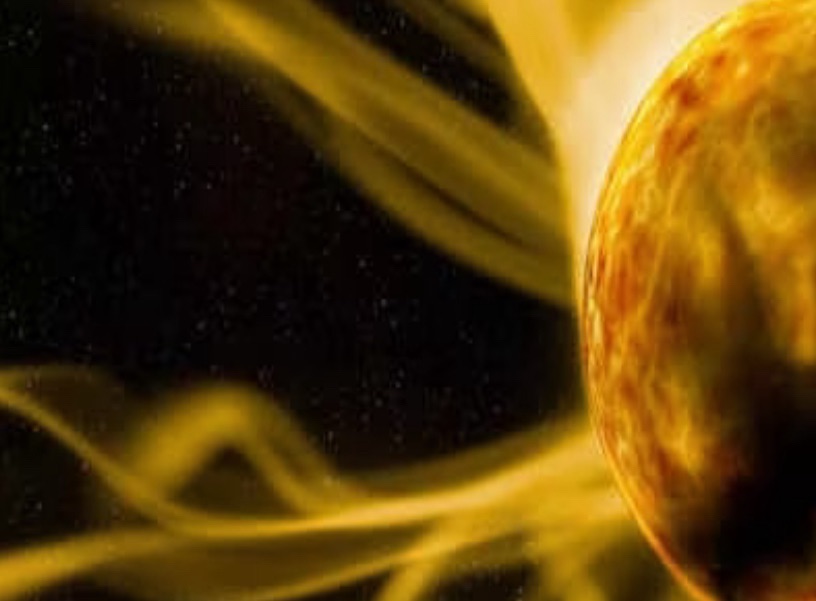
In fact, some recent solar activity has led to an unexpected event involving three satellites from Curtin University’s Binar Space Program. These satellites disintegrated in Earth’s atmosphere earlier than anticipated due to increased solar activity. This highlights how the Sun’s heightened activity can impact satellites in low Earth orbit, causing them to experience greater atmospheric drag and descend toward Earth sooner than planned. So, if you’ve noticed your navigation app acting a little wonky or your favourite streaming service buffering unexpectedly, it might just be our fiery star throwing a cosmic tantrum!
Why Should We Care?
Understanding solar activity is crucial not just for astronomers but for everyone living in our technology-driven world. Space weather can have far-reaching effects on aviation, telecommunications, and even our electrical grids. As we continue to rely more on technology, keeping an eye on our Sun’s activity is essential for predicting and mitigating potential disruptions.
So, what can you do? Stay informed! Follow space weather updates from reliable sources like NOAA’s Space Weather Prediction Center or NASA. If you’re interested in the science behind it all, consider diving into astronomy books or documentaries that explore the fascinating relationship between our planet and the Sun.
Final Thoughts
As we navigate this period of heightened solar activity, let’s remember the beauty and power of our star. The Sun is not just a source of light and warmth but also a dynamic entity that shapes our planet’s environment. So, keep your eyes on the skies, and who knows—you might just catch a glimpse of those beautiful aurorae lighting up the horizon again! Until next time, keep exploring and stay curious!