

In a significant milestone for space exploration, NASA has successfully rolled out its Space Launch System (SLS) rocket and Orion spacecraft to Launch Pad 39B, marking a crucial step forward for the Artemis II mission. The rollout occurred on January 17, 2026, and has sparked considerable excitement among space enthusiasts and professionals in the field. With a potential launch window opening in early February, preparations are ramping up to ensure everything is ready for this historic journey.
The crew for Artemis II consists of four talented astronauts: Commander Reid Wiseman, Pilot Victor Glover, Mission Specialist Christina Koch, and Jeremy Hansen from the Canadian Space Agency. They are gearing up for a remarkable ten-day lunar flyby—the first crewed Moon mission since Apollo 17 in 1972. This upcoming mission not only revives a sense of nostalgia but also stirs anticipation about humanity’s return to the lunar surface.
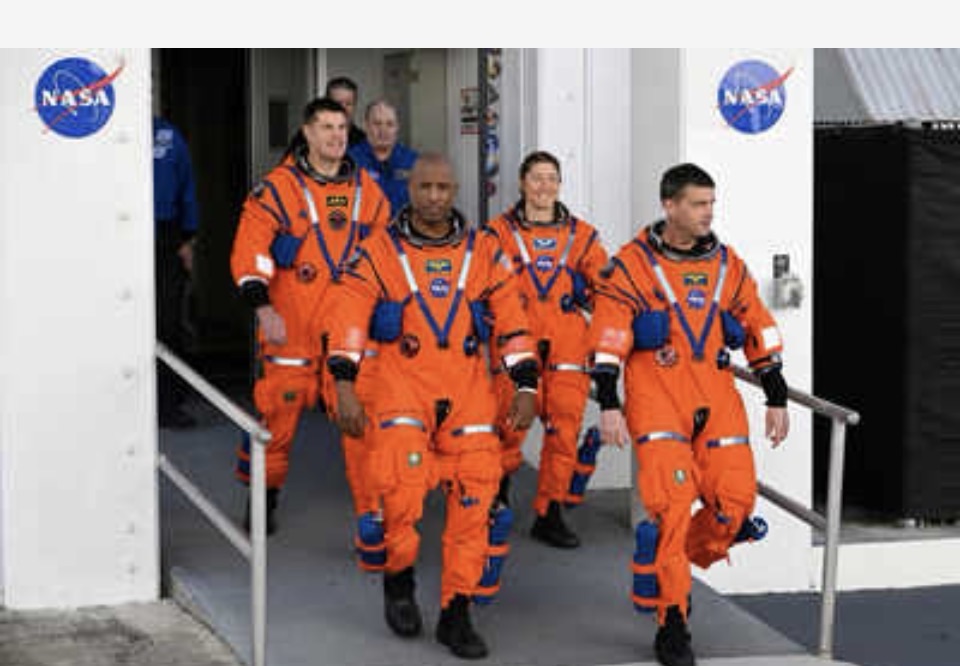
Preparations for the mission include a crew quarantine that began on January 23 to safeguard the health of the astronauts leading up to their departure. This strategic precaution ensures that they remain in optimal condition, further highlighting NASA’s commitment to astronaut safety.
The excitement intensifies with the upcoming hot fire test of the SLS rocket’s RS-25 engines, scheduled for January 22. These engines are an engineering marvel, generating over 8.8 million pounds of thrust. Such advancements in technology underscore the dedication and precision of NASA and its partners in pushing the boundaries of space exploration.
The rollout and preparations are also heavily informed by the lessons learned from the Artemis I mission, which meticulously laid the groundwork for this new venture. With every milestone, NASA showcases its determination to blend innovation with stringent safety protocols, ensuring astronauts are well-prepared for their journey beyond Earth.

As we prepare for this new chapter in human spaceflight, it is essential to consider how we can balance the excitement of technological advancements with the imperative for thorough safety measures. The quest for deeper exploration and understanding of our universe brings both opportunities and challenges—so how can we navigate this evolving landscape? What do you think the future holds for human exploration beyond our planet?