

As we glance up at the night sky, the recent so-called “supermoon” has once again captured the attention of the mass media and the public alike. But what exactly is a supermoon, and why does the media sensationalise this astronomical event?
A supermoon occurs when a full moon coincides with its closest approach to Earth in its elliptical orbit. This can result in the moon appearing up to 14 per cent larger and 30 per cent brighter than when it is at its farthest point from our planet. Interestingly, given the predictable nature of this celestial phenomenon, supermoons occur multiple times a year, yet they are often treated as rare spectacles.
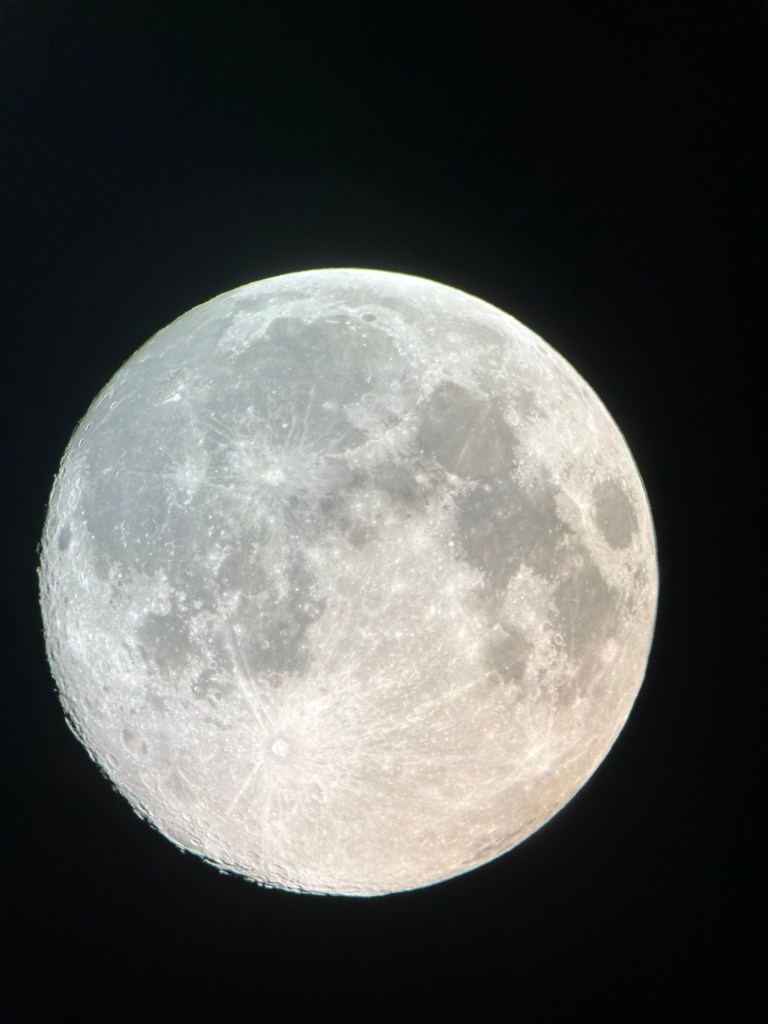
The question then arises: why does the media choose to dramatise these events? Part of the allure lies in the narrative that surrounds human interest in space. The possibility of witnessing a remarkably large moon resonates with our collective fascination for the cosmos and stirs a sense of wonder. However, such sensationalism can lead many to overlook the scientific nuances behind these events.
Additionally, this focus on the supermoon phenomenon can divert attention from more significant astronomical happenings. Events like solar and lunar eclipses or the appearance of planets in alignment often take a back seat to the supermoon frenzy. This begs the question of whether we, as a society, are more captivated by flashy headlines than by the rich complexities of our universe.
So, while the supermoon may spark excitement, it is essential to remember that there’s much more to the universe than what fits into a catchy headline.
Here’s a challenge for you: How can we shift the conversation around space exploration to prioritise scientific understanding over sensationalism in the media?