

Sputnik: The Launch That Rocked the World
On 4th October 1957 at precisely 10:29 PM Moscow time, the Soviets launched Sputnik 1, the first artificial satellite, into the vast unknown aboard a repurposed R-7 rocket. This 22-inch marvel was not laden with scientific instruments, but it did carry a simple transmitter that sent beeping signals back to Earth, allowing radio operators worldwide to track it.
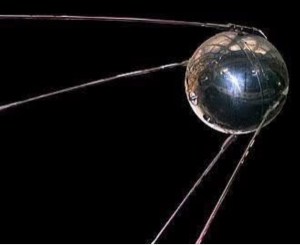
This unassuming launch shook the United States to its core. Here they were, caught off guard and trailing in the Space Race, with their first satellite, Explorer 1, not making its debut until January of the following year. The unexpected momentum this gave the Soviets not only ignited fierce competition but also led to the establishment of NASA and set the stage for the legendary Moon landing.
It’s fascinating to consider how Sputnik influenced the dynamics of the Cold War. The mere act of launching a satellite stirred fears about ballistic missile capabilities and showcased Soviet technological prowess.
So here is the question: Has the spirit of competition between superpowers in science and technology led to more progress or more paranoia?