

On September 29, 1977, the Soviet Union launched the Salyut 6 space station, ushering in a new era of space exploration with some decidedly interesting implications. Let’s break down why this wasn’t just another space launch but a pivotal moment worth a closer look.
Firstly, Salyut 6 became the first of the second-generation Salyut space stations. This wasn’t merely an upgrade in coffee machines; it was a whole new approach to technological advancement in orbital living.
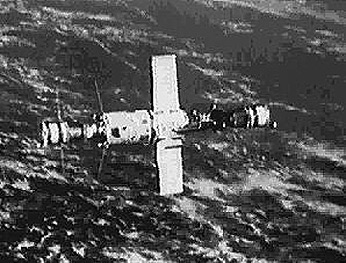
Unlike its predecessors, which were akin to quick pit stops for astronauts, Salyut 6 was designed to support long-duration missions. Imagine staying in your office for months on end, conducting research and living among the stars. This capability transformed our understanding of human adaptability in the harsh environment of space.
The design included multiple docking ports, which meant that Salyut 6 could host an array of spacecraft for crew transport and supplies. This logistical prowess was essential for missions that required not just astronauts, but also a steady flow of resources.
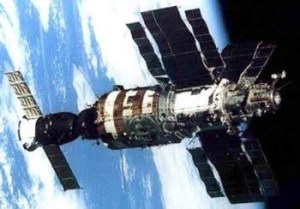
Extensive scientific research? You bet. From biological experiments to Earth observation, Salyut 6 allowed cosmonauts to delve deeper into studies that would inform future exploration. The findings from this station laid the groundwork for what we know today about life beyond our planet.
Salyut 6 wasn’t just a technological marvel; it was also a political trophy during the Cold War. It showcased Soviet capabilities while simultaneously fuelling the space race with the United States. Who wouldn’t find that a bit controversial?
The lessons learned here also set the stage for future international collaborations. Fast forward, and we see how those shared experiences contributed to the development of the International Space Station and ongoing global research efforts.
So let’s consider this: Were the technological advances of Salyut 6 merely a Soviet showpiece, or did they genuinely pave the way for international cooperation in space exploration? What do you think?