

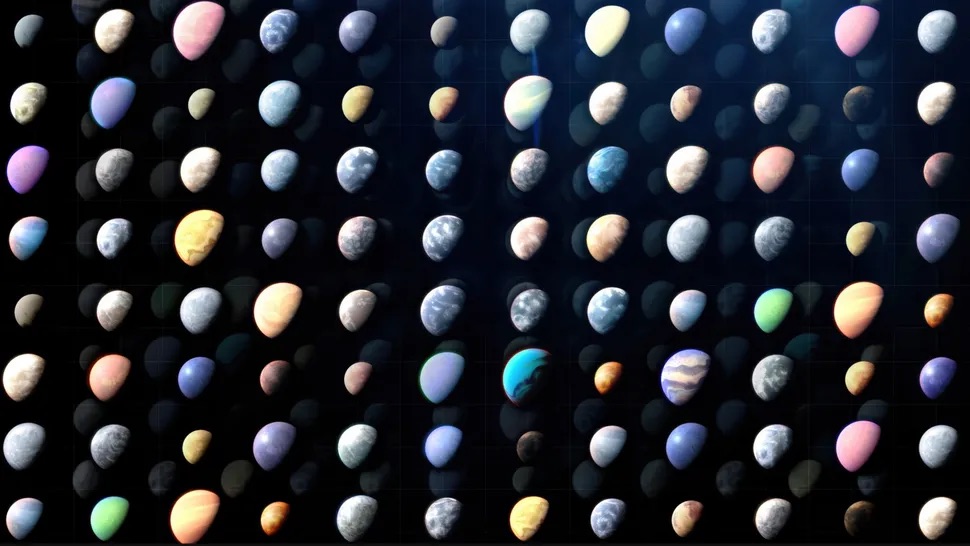
It may come as a surprise, but NASA’s tally of discovered exoplanets has surged to an astonishing 6,000. This milestone is the result of about 30 years dedicated to searching for worlds beyond our solar system. Just three years ago, we celebrated the 5,000 mark. The discovery rate is accelerating, as theorists suggest there could be billions of other planets waiting to be found.
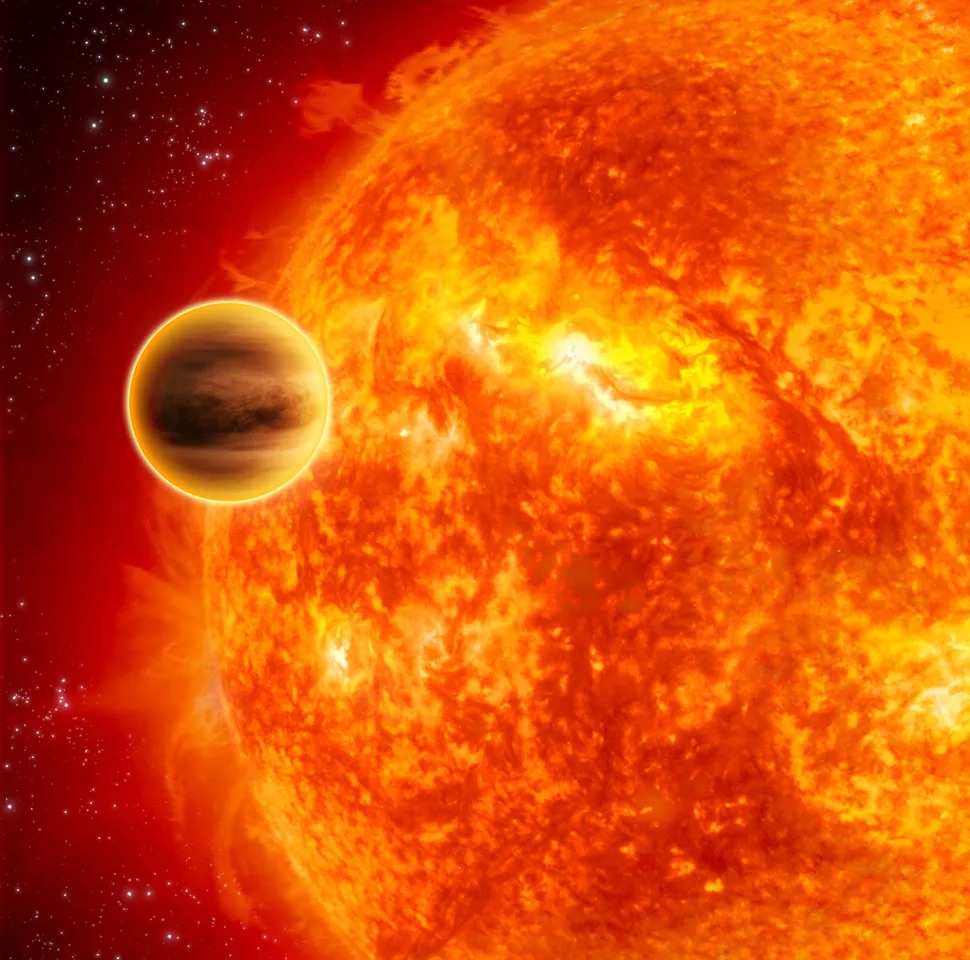
This announcement, made on September 17, aligns with the anniversary of 51 Pegasi b—the first exoplanet confirmed around a sun-like star—discovered by Michel Mayor and Didier Queloz in 1995. This gas giant resides about 50 light-years from Earth and represents our initial venture into “normal” exoplanets.
NASA’s Exoplanet Archive indicates that many of these new worlds are small and resemble Earth. The growing list reflects advancements in technology, particularly the Kepler Space Telescope, which significantly enhanced exoplanet discoveries before its retirement.
Yet, a tantalising question remains: where is the twin of our planet? Despite numerous discoveries, we have yet to uncover a planet that mirrors Earth in composition and conditions.
As we reflect on the incredible progress made in exoplanet discovery, one must ask: Are we sufficiently open-minded in our quest for life beyond Earth? How can we expand our search to potentially find Earth’s long-lost companion among the stars?