

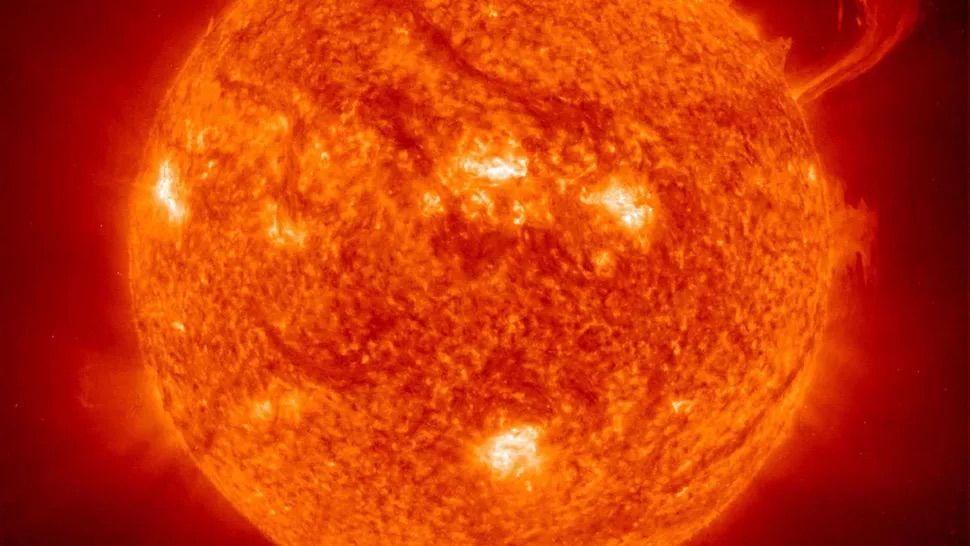
Understanding the relationship between solar activity and climate can provide valuable insights into how our planet has evolved over millennia. Historical solar activity has significantly influenced major climate events on Earth, demonstrating the interconnectedness of our environment and the Sun.
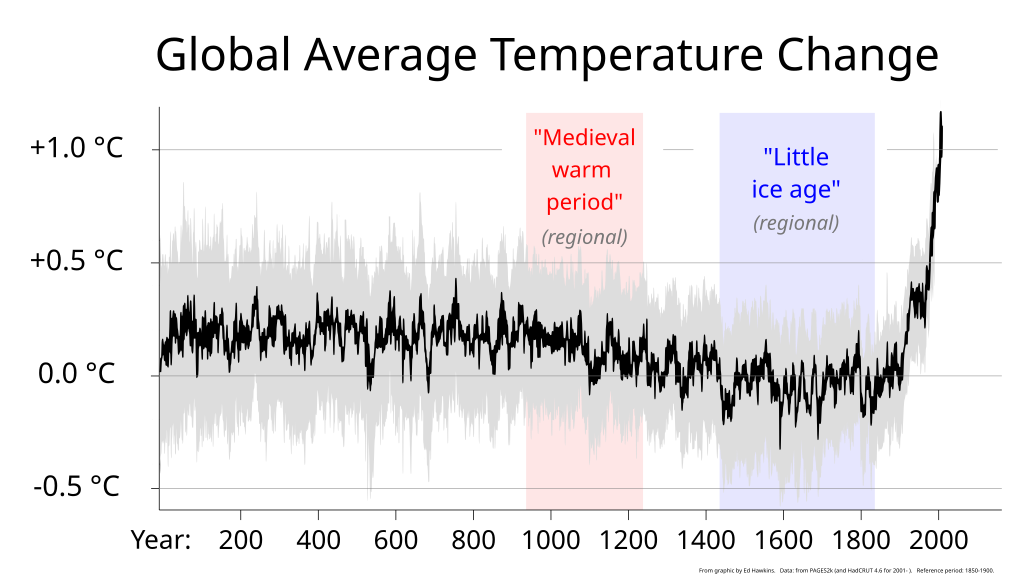
One of the most noteworthy examples of this connection is the Little Ice Age, which spanned from the 14th to the 19th centuries. During this period, Europe experienced harsh winters and agricultural decline, with many historians linking these frigid conditions to decreased solar activity, particularly during the Maunder Minimum. This phase was marked by a significant reduction in sunspots, which contributed to cooler temperatures and subsequent crop failures. The adverse climate conditions led to societal unrest and challenges in food production, illustrating the profound effects that solar behaviour can have on human life.

Conversely, the Medieval Warm Period, occurring approximately between 950 and 1250, showcased a different facet of solar influence. This era was characterised by increased solar activity, resulting in warmer temperatures across the Northern Hemisphere. The elevation in solar irradiance allowed for agricultural expansion and population growth in Europe, highlighting how fluctuations in solar output can dictate climate and societal development.
Another fascinating instance that illustrates the impact of solar activity is the Laschamps Excursion, which took place around 41,000 years ago. During this geomagnetic event, the Earth’s magnetic field weakened, allowing more solar radiation to penetrate the atmosphere. This resulted in significant climate changes and forced early humans to adapt their behaviours in response to the increased radiation exposure. These adaptations included seeking shelter and developing clothing to protect against harmful solar radiation.

These historical examples underscore the importance of solar cycles in shaping Earth’s climate system and their implications for contemporary discussions on climate change. As we navigate the challenges posed by a changing environment today, understanding the influence of solar activity can offer valuable insights into how we might respond to future climatic shifts.
In light of this historical context, one pertinent question remains: How might insights from historical solar activity guide our approach to addressing contemporary climate issues? By exploring the past, we can better prepare for the future, ensuring a resilient and informed response to the climate challenges that lie ahead.