

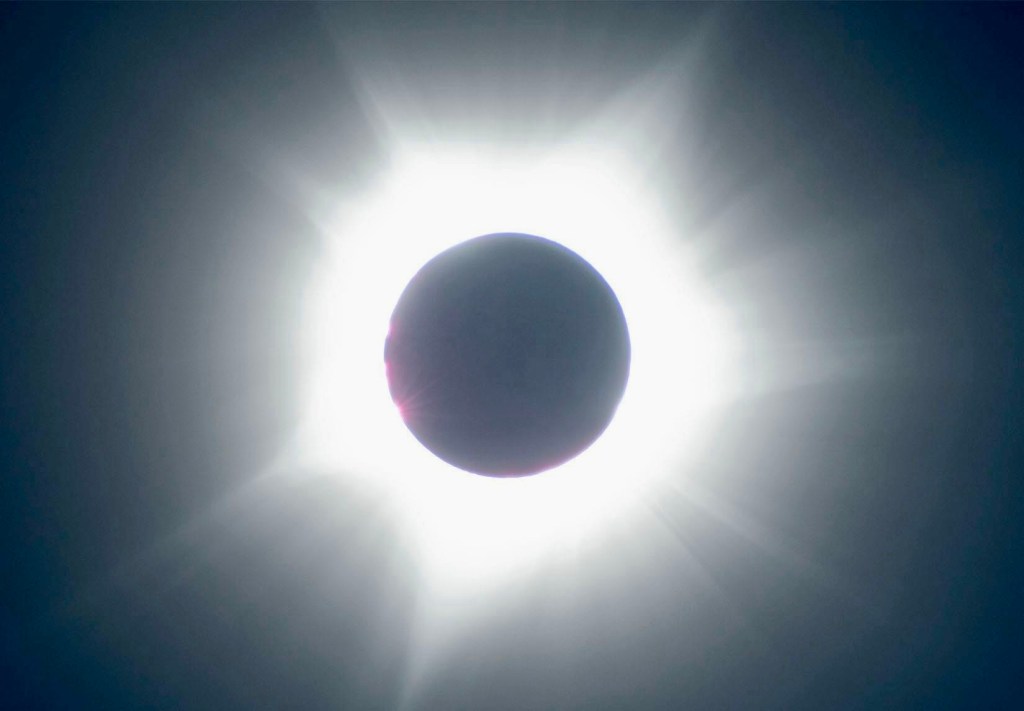
I would like to clarify some misconceptions regarding upcoming solar eclipses, specifically the absence of a solar eclipse on August 2nd, 2025. There is no solar eclipse scheduled for that date, and claims suggesting otherwise have been confirmed as a hoax. NASA and reputable astronomical organizations have stated that the next total solar eclipse will occur on August 2nd, 2027. The misinformation likely stems from inaccuracies circulating online, and I encourage everyone to rely on credible sources.
Additionally, a partial solar eclipse is set to occur on August 12th, 2026. This eclipse will be visible in parts of North America, Europe, and northern Africa. While it will not offer the dramatic spectacle of totality, observers will see the moon partially blocking the sun, creating a striking visual effect.
Looking forward to the August 2nd, 2027, total solar eclipse, this event will be visible in parts of Europe, North Africa, and the Middle East. During totality, which will last up to 6 minutes and 40 seconds in some areas, observers will have the chance to view the solar corona—the sun’s outer atmosphere—intensely illuminated.
For those in Australia, exciting news is on the horizon as well. On July 22nd, 2028, Australia will experience its own total solar eclipse. The path of totality will cover major cities, including Sydney and Melbourne, allowing millions to witness this awe-inspiring occurrence. In various regions, the duration of totality may reach several minutes, presenting an extraordinary opportunity for Australians to experience the wonder of a total solar eclipse firsthand.
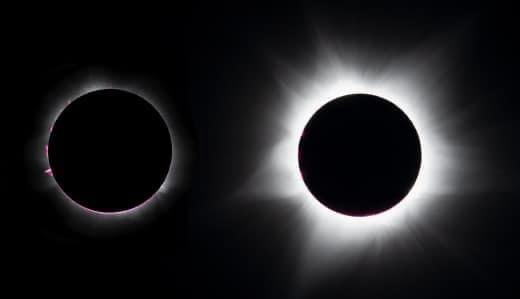
I encourage everyone to mark their calendars for these significant dates: August 12th, 2026, for the partial solar eclipse; August 2nd, 2027, for the international solar eclipse; and July 22nd, 2028, for our domestic event. These eclipses remind us of the beauty and grandeur of our universe. Thank you for your interest in astronomy, and may the cosmos continue to inspire us all.