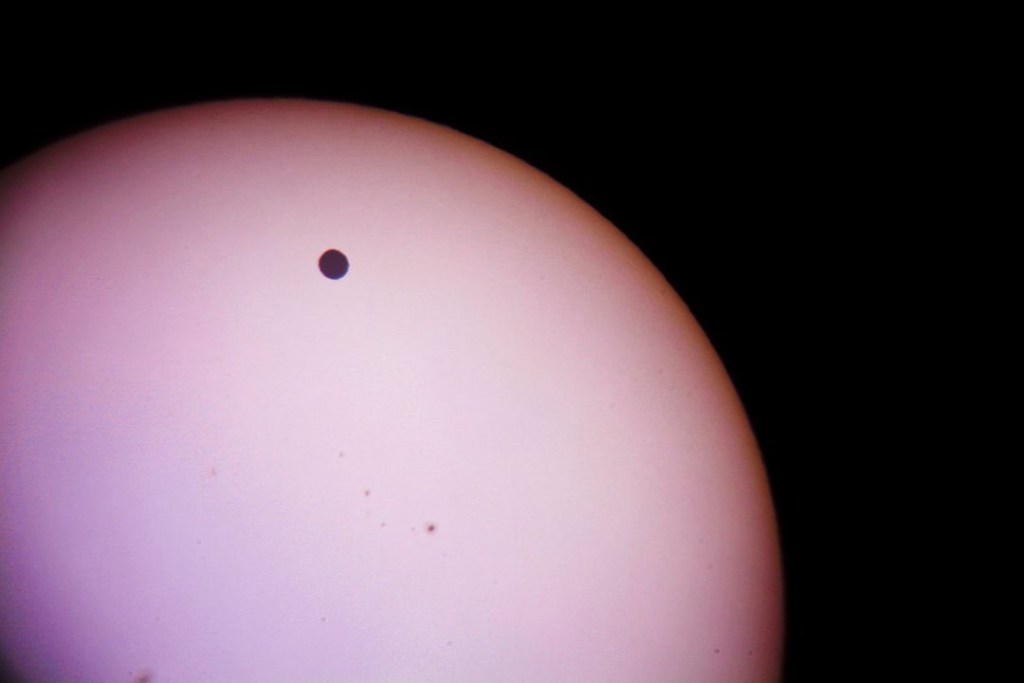


In 1972, the Soviet Union launched a spacecraft known as Kosmos 482, part of a series of missions aimed at exploring Venus. Unfortunately, much of it returned to Earth within a decade. However, scientists believe the landing capsule—a spherical object about one metre in diameter—has been orbiting our planet in a highly elliptical path for the past 53 years, gradually losing altitude.
Now, this 50-year-old Soviet probe is set to make its grand re-entry into Earth’s atmosphere this week. Launched in March 1972, it was intended to accompany Venera 8, which successfully landed on Venus in July of that year. However, a malfunction in the rocket left Kosmos 482 stranded in Earth’s orbit.
Here are the key points regarding Kosmos 482:
Launch and Setback: Launched in late March 1972, it was a sidekick to Venera 8, but an upper stage failure prevented it from escaping Earth’s orbit.
Re-Entry: The spacecraft’s descent module has been in a highly elliptical orbit around Earth for over 53 years. It’s expected to make re-entry around 10 May, hitting speeds of roughly 242 kph if it remains intact.
Impact Assessment: The impact of Kosmos 482 is thought to be minimal—similar to a meteorite—with limited risk to people. Predictions suggest it will re-enter somewhere between latitudes 51.7S and 51.7N.
There’s hope that the heat shield will fail, causing the spacecraft to burn up during its descent. However, if the shield holds, we could see a half-tonne metal chunk plummeting from the sky.
The potential re-entry zone stretches impressively, from as far north as London and Edmonton in Canada down to Cape Horn in South America. Given that a large portion of our planet is covered in water, the odds are high that Kosmos 482 will likely end up in the ocean.
Call to Action: Keep an eye on the news this week to see where and when Kosmos 482 will make its re-entry.
Challenge Question: If you were in charge of tracking Kosmos 482’s re-entry, what measures would you put in place to ensure public safety and monitor its descent?