

This post is in response to the question- why are Aurora usually only seen at higher latitudes for example far north and far south and another question – why are we seeing them in lower latitudes lately.
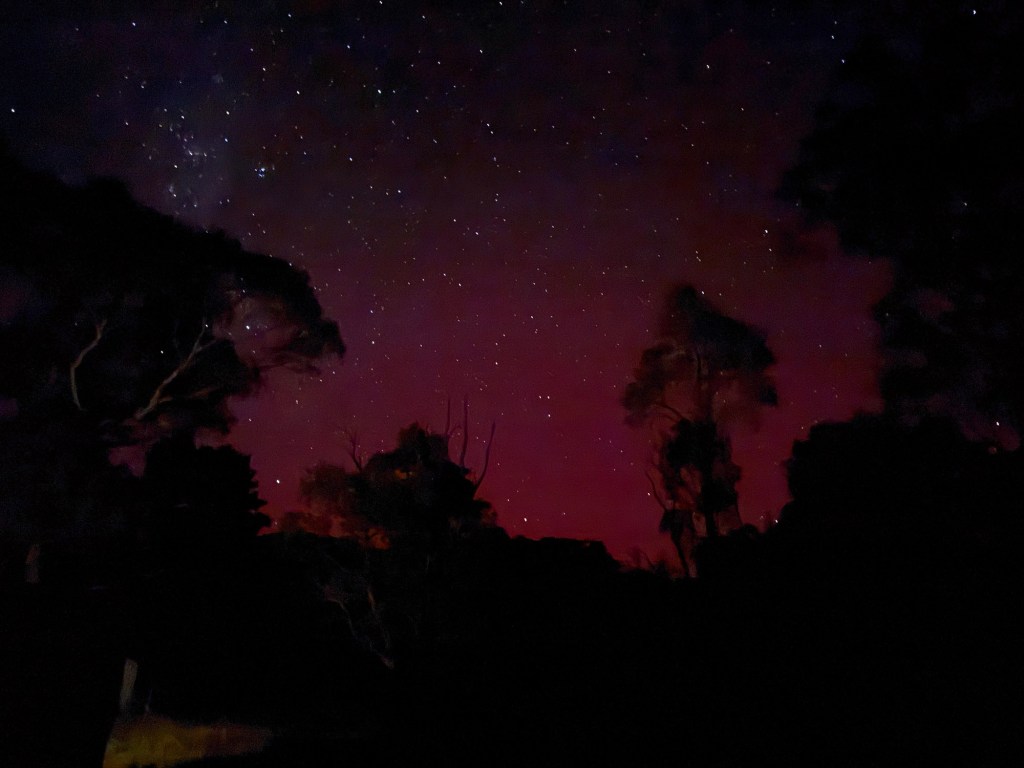
Aurorae, commonly known as the Northern and Southern Lights (Aurora Borealis and Aurora Australis), are typically seen at higher latitudes due to the interaction between charged particles from the solar wind and the Earth’s magnetic field.
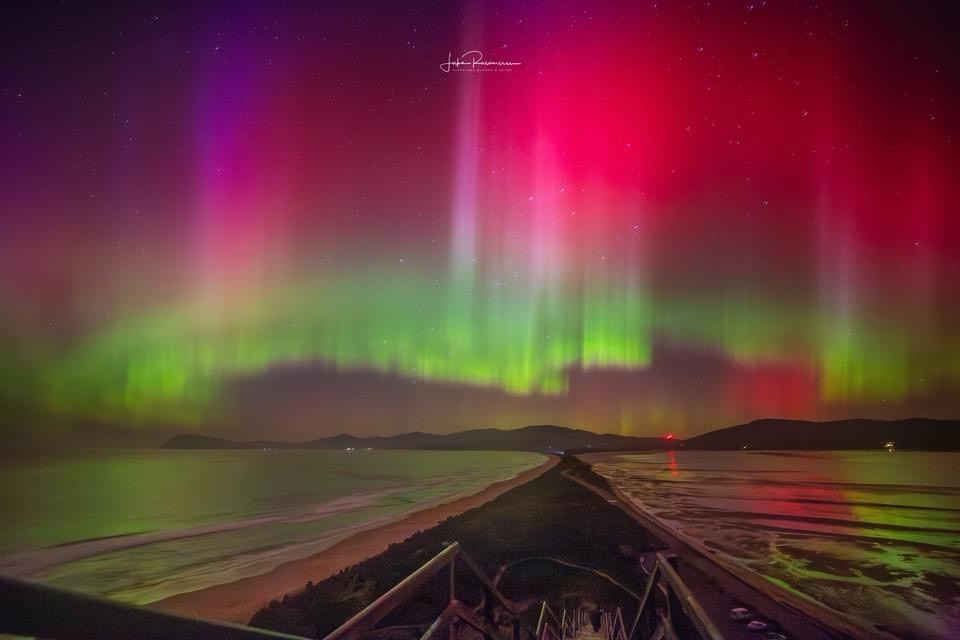
Why Aurorae are Usually Seen at Higher Latitudes:
- Earth’s Magnetic Field: The Earth has a magnetic field that extends into space, shaped like a teardrop, with field lines concentrated near the poles. Charged particles from the solar wind are predominantly directed towards the polar regions by this magnetic field.
- Solar Wind and Magnetosphere Interaction: The solar wind, a stream of charged particles emitted by the sun, interacts with the Earth’s magnetosphere. When these particles travel along the magnetic field lines, they enter the atmosphere near the poles. As they collide with gases like oxygen and nitrogen, they produce the stunning light displays characteristic of aurorae.
- Geomagnetic Latitude: The likelihood of seeing an aurora increases with geomagnetic latitude. Areas closer to the magnetic poles have more concentrated magnetic field lines, which funnel solar particles into the atmosphere more effectively. This makes regions like Alaska, Canada, Scandinavia, and Antarctica prime locations for viewing aurorae.
- Energy and Atmospheric Effects: The energy from the solar wind is more effectively converted into visible light when it interacts with atmospheric gases at higher latitudes, contributing to the vibrant colors and patterns of the aurora.
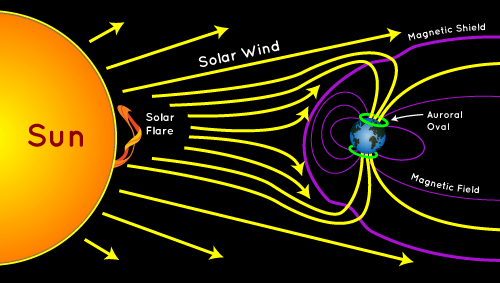
Why We Are Seeing More Aurora Lately at Lower Latitudes:
Recently, there have been increased sightings of aurorae at lower latitudes, attributed to several factors:
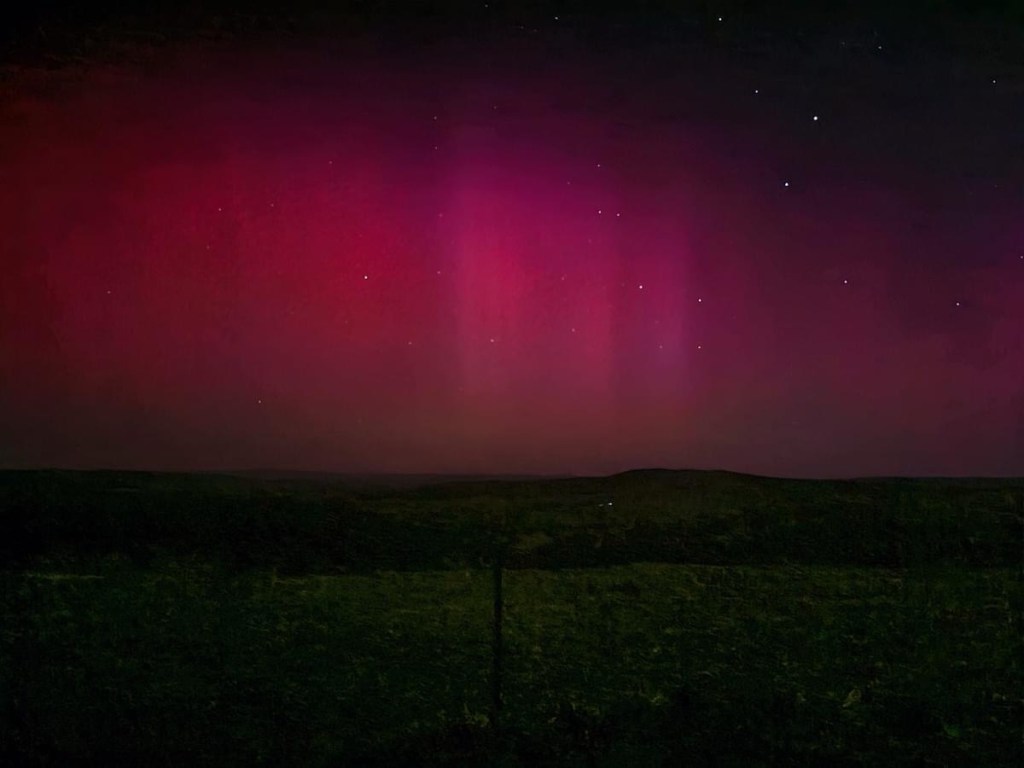
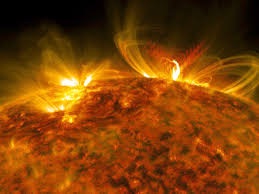
- Solar Cycle Activity: The Sun goes through an approximately 11-year solar cycle, and we are currently in an active phase of Solar Cycle 25, expected to peak around 2025. Increased solar activity leads to more frequent and intense solar wind events, resulting in greater chances of aurorae being visible at lower latitudes.
- Coronal Mass Ejections (CMEs): CMEs are large expulsions of plasma and magnetic field from the Sun’s corona. When these energetic bursts reach Earth, they can enhance auroral activity, pushing the auroral oval—where aurorae are typically visible—further south than usual.
- Geomagnetic Storms: Strong geomagnetic storms, often triggered by CMEs or high-speed solar wind streams, can disrupt the Earth’s magnetosphere, allowing charged particles to penetrate deeper into the atmosphere and be observed at lower latitudes.
- Climate Change and Atmospheric Conditions: Changes in the Earth’s climate and atmospheric conditions may impact auroral visibility. For instance, changes in weather patterns could affect cloud cover, allowing clearer skies in regions where auroras are becoming visible.
- Increased Public Awareness and Technology: Advancements in technology and social media have led to greater awareness of conditions that lead to auroras. This increased visibility can create a perception that auroras are happening more frequently at lower latitudes, even if the actual frequency is not drastically different.
Conclusion
In summary, while aurorae are typically seen at higher latitudes due to the Earth’s magnetic field configuration and the nature of solar wind interactions, increased solar activity, coronal mass ejections, geomagnetic storms, and greater public awareness have contributed to more frequent sightings at lower latitudes.
Going to Wellington NZ first week of March, Will l be able to see the Borialis
Hi – Aurora are notoriously hard to predict as it depends on the Sun activity at the time.
You will need to follow one of the aurora alert groups.
If you do see it – it is called the Aurora Australis – southern lights while the Aurora Borealis are the northern lights.
Wellington is at latitude about 41S only a little North of the latitude of Hobart so good chance to see Aurora if you are away from city lights. Also it will not take as significant a CME to be seen